SecondFi (Formerly Yoroi) Wallet Security Incident:
What Happened and What Every Cardano User Should Do
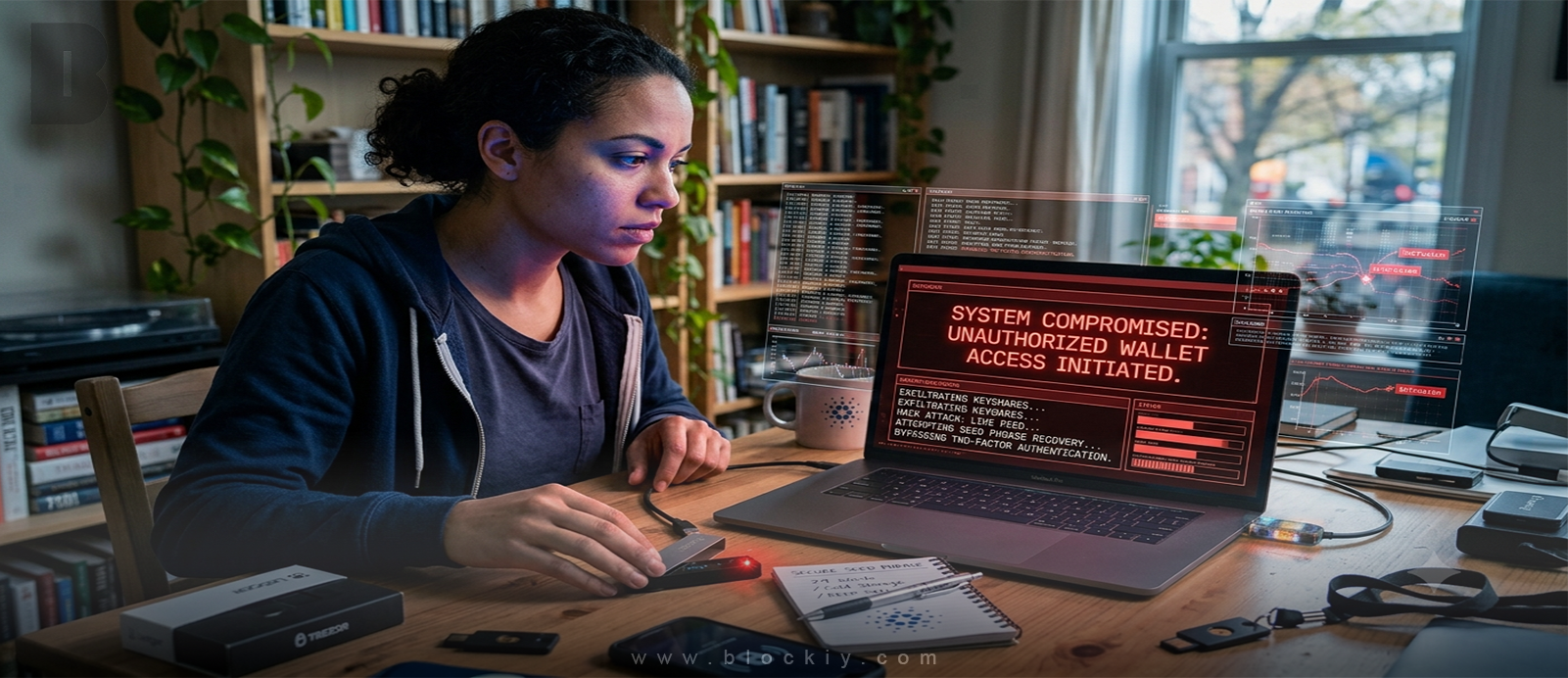
A recent security incident involving SecondFi, the platform formerly known as Yoroi Wallet, has raised significant concern across the Cardano community.
Reports confirmed that attackers exploited a vulnerability in SecondFi's proprietary wallet generation software, allowing them to gain unauthorized access to a number of affected wallets. The incident resulted in the theft of ADA and other native Cardano assets from hundreds of addresses, while the Cardano blockchain itself remained secure.
Although incidents like this naturally create concern, it is important to understand exactly what happened, who was affected, and what users should do next.
Most importantly, this was not a hack of the Cardano blockchain.
The issue originated within the wallet software itself.
Was Cardano Hacked?
No.
One of the biggest misconceptions following the incident was the belief that Cardano had been compromised.
That is not what happened.
The Cardano blockchain continued operating normally throughout the incident.
Blocks continued to be produced.
Transactions continued to be validated.
Stake pools continued securing the network.
The vulnerability was isolated to SecondFi's wallet-generation software, where a flaw reportedly allowed attackers to reconstruct private keys for affected wallets under specific conditions.
This distinction is extremely important.
A blockchain and a wallet are two completely different pieces of technology.
Think of the blockchain as a bank's ledger.
A wallet is simply one method of accessing your account.
If the wallet software has a vulnerability, it does not mean the blockchain itself has failed.
What Happened?
According to statements released by SecondFi, the root cause was traced to a vulnerability within its proprietary Cardano wallet generation software.
Security researchers reported that the flaw affected the generation of certain wallet keys, allowing attackers to reconstruct private keys from publicly available blockchain data under specific circumstances. Once a vulnerable address signed a transaction, attackers could use the exposed key material to move funds without authorization.
Initial reports confirmed losses of approximately 16 million ADA, while independent security researchers suggested the total exposure could be significantly higher pending a full investigation.
SecondFi responded by placing parts of the platform into maintenance mode, investigating the incident, and announcing a recovery process for affected users.
Who May Be Affected?
Not every Cardano wallet is affected.
Based on the information released so far, the incident relates specifically to wallets created using the vulnerable version of SecondFi's wallet generation software.
Hardware wallets.
Other Cardano wallet applications.
The Cardano blockchain itself.
Stake pools.
And ADA staking as a protocol were not compromised by this incident.
Users who have never used the affected wallet software are generally not impacted by this specific vulnerability.
What Should You Do Immediately?
If you currently use—or previously used—SecondFi (formerly Yoroi), you should act carefully and avoid assuming your wallet is safe until you verify your situation.
Recommended steps include:
1. Follow Official Updates
Only rely on official announcements published by the SecondFi team.
Avoid unofficial recovery websites, fake social media accounts, or anyone claiming they can recover your funds.
2. Never Share Your Recovery Phrase
No legitimate member of the SecondFi team, the Cardano Foundation, EMURGO, Input Output, or Blockiy will ever ask for:
- Your recovery phrase
- Your seed phrase
- Your private keys
- Your wallet password
Anyone requesting this information is attempting to steal your assets.
3. Review Your Wallet Activity
Check your wallet using trusted Cardano blockchain explorers.
Look for transactions you do not recognize.
If you notice unexpected outgoing transfers, stop interacting with the affected wallet and follow the official recovery guidance published by SecondFi.
4. Move to a Newly Generated Secure Wallet (When Appropriate)
If your wallet is confirmed or suspected to be affected, create a completely new wallet using secure, updated software or a reputable hardware wallet, then transfer your remaining assets according to the official guidance.
Simply importing the same recovery phrase into another wallet application may not eliminate the underlying risk for affected addresses. Follow the vendor's latest instructions carefully.
5. Stay Alert for Scams
Major security incidents are almost always followed by phishing campaigns.
Be cautious of:
- Fake recovery websites
- Fake wallet updates
- Fake support agents
- Fraudulent giveaways
- Messages claiming your wallet is "at risk"
Always verify URLs before connecting your wallet.
Does This Affect Cardano Staking?
No.
Cardano's staking protocol was not compromised.
Delegating ADA to a stake pool does not transfer ownership of your ADA.
Your ADA remains in your wallet while being delegated.
However, if the wallet itself is compromised, the attacker may still gain access to your assets because the issue lies with the wallet—not with staking.
A Good Time to Review Your Stake Pool
Security incidents often encourage users to review more than just their wallets.
Many ADA holders delegated their stake years ago and have continued using the same stake pool without checking whether it is still active or performing well.
Over time, some Cardano stake pools have:
- Become inactive
- Retired from the network
- Produced few or no blocks
- Reduced maintenance
- Stopped communicating with delegators
Choosing an active and well-maintained stake pool can help improve both network decentralization and your long-term staking experience.
If you are considering selecting a new stake pool, you can explore Blockiy's Cardano Verified Pools directory, which lists community-focused and verified Cardano stake pools using transparent information and quality indicators.
Cardano Verified Pools
Why This Incident Matters
Although the security incident affected a relatively small portion of the overall Cardano ecosystem, it serves as an important reminder that blockchain security extends beyond the blockchain itself.
Modern cryptocurrency security depends on multiple layers working together:
- Secure wallet software
- Strong cryptography
- Responsible key generation
- Reliable infrastructure
- Careful user practices
Even when the blockchain remains secure, vulnerabilities in wallet software can still expose users to significant risk.
For this reason, keeping wallet software updated, following official security announcements, and practicing good operational security remain essential.
Final Thoughts
The SecondFi security incident is a serious event, but it should not be confused with a failure of the Cardano blockchain.
Current investigations indicate that the vulnerability originated within the wallet software rather than Cardano's underlying protocol.
For affected users, the priority should be following official guidance, securing remaining assets where appropriate, and remaining vigilant against phishing attempts.
For the wider Cardano community, this incident highlights the importance of choosing trusted wallet software, keeping security practices up to date, and periodically reviewing both wallet and staking choices.
Blockchain technology continues to evolve, and while no software can eliminate every risk, informed users who follow security best practices remain in the strongest position to protect their digital assets.